Project: Magdalena Saryusz-Wolska
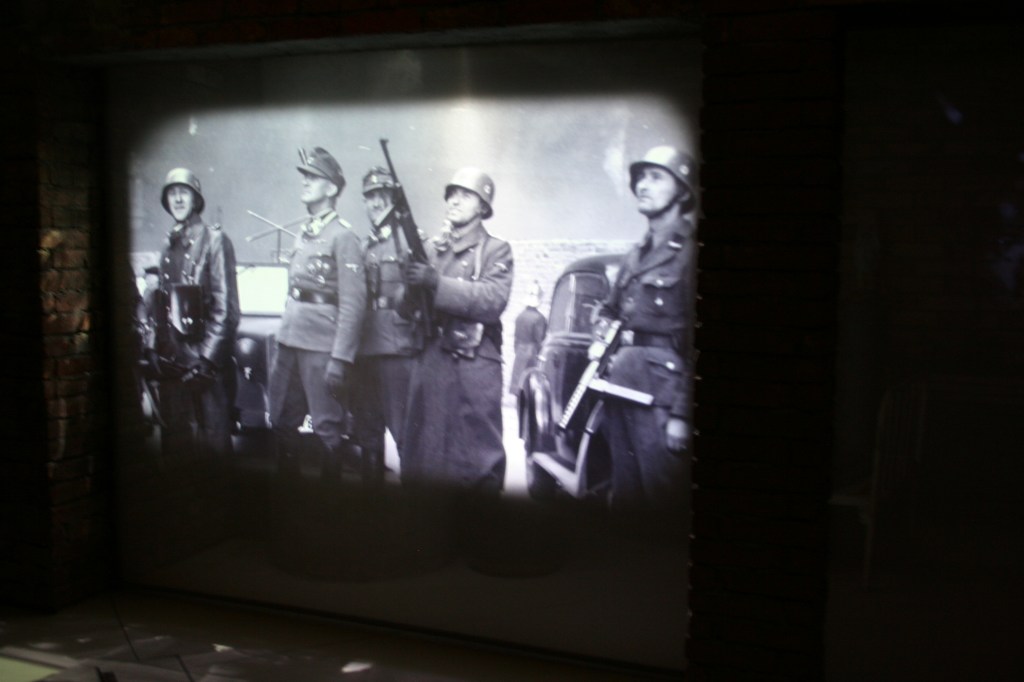
The project by Magdalena Saryusz-Wolska focuses on the role of audiovisual media in exhibiting histories of the Second World War and the Holocaust. She is particularly interested in the ways audiovisual technologies shape the exhibitions and their reception. When are AVs produced by the museums/galleries/sites of memory themselves and when are they produced by external companies? How does the communication between these teams work? What is the difference between AVs consisting of existing materials (e.g. assemblage of archival footage) and those newly created? How do formats and genres of film production affect their presence within the exhibition? How do AVs interact with other objects on display? How sustainable are AVs as parts of exhibitions? These and other questions will be answered based on exhibitions analyses, interviews with curators and managers, as well as archival research. The exhibitions under scrutiny are, among others, the core exhibitions at the Museum of the Second World War in Gdansk and at the POLIN Museum of the History of Polish Jews.
Project: Tomasz Załuski
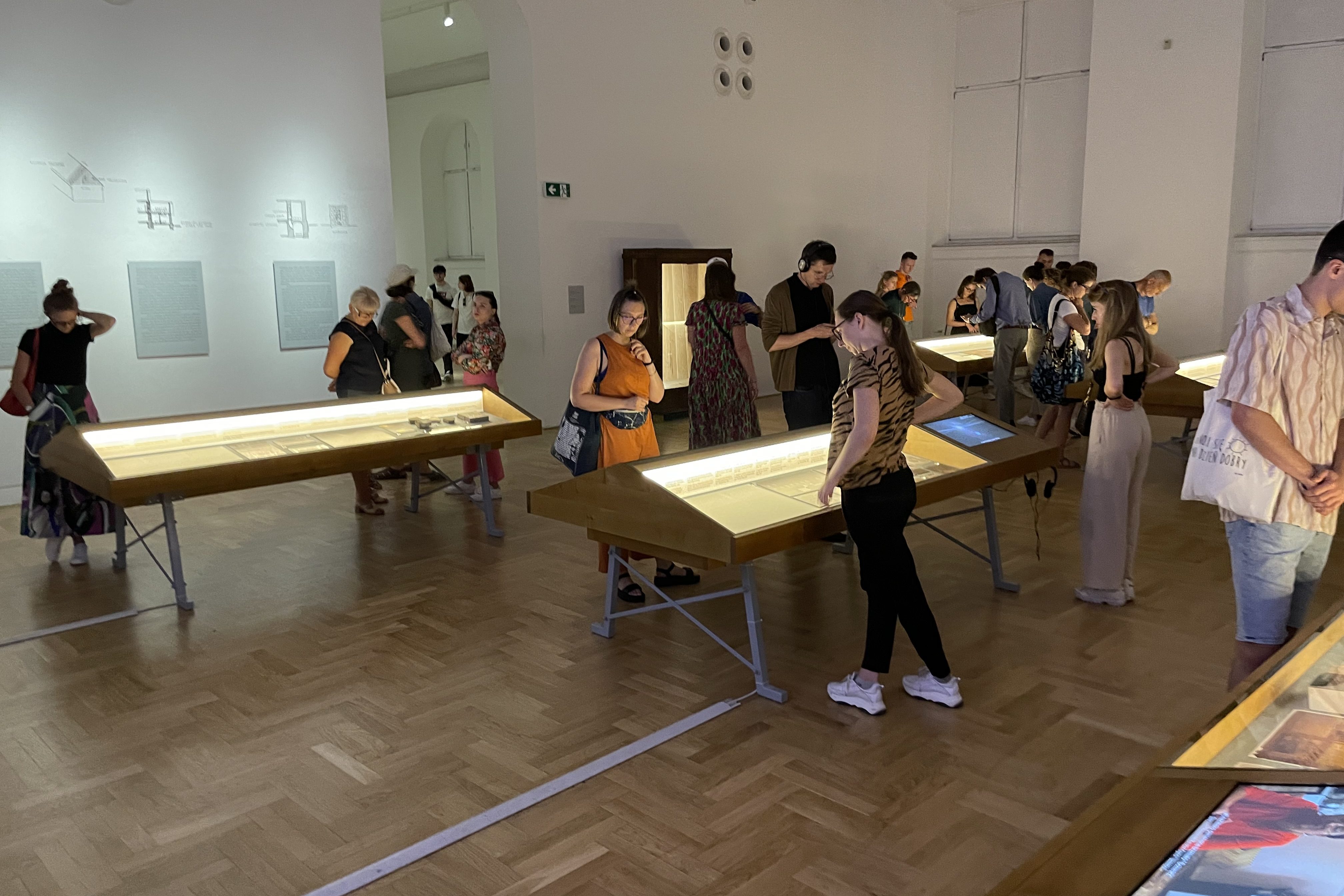
The research by Tomasz Załuski focuses on contemporary art exhibitions dealing with Polish-German relations in the context of World War II, the Holocaust and forced post-war displacements. Among the examples considered are exhibitions organized in art galleries and museums, as well as in historical and ethnographic museums. The tools of exhibition history, museological studies and infrastructure studies, combined with a transnational perspective and theories of the agency of non-human subjects, provide a methodological framework to analyze the conditions and factors (institutional-organizational, financial, technical, material) that co-shape the memory narratives of exhibitions. What role do such factors play in the production process of exhibitions? What agency do they have in relation to exhibition narratives? How do the reflexive, critical and inventive infrastructures produced by the transnational field of contemporary art institutions and practices function when transferred to historical museums? What are the implications of the interpenetration of practices characteristic of both fields for the production and experience of collective memory?
Project: Zofia Hartman
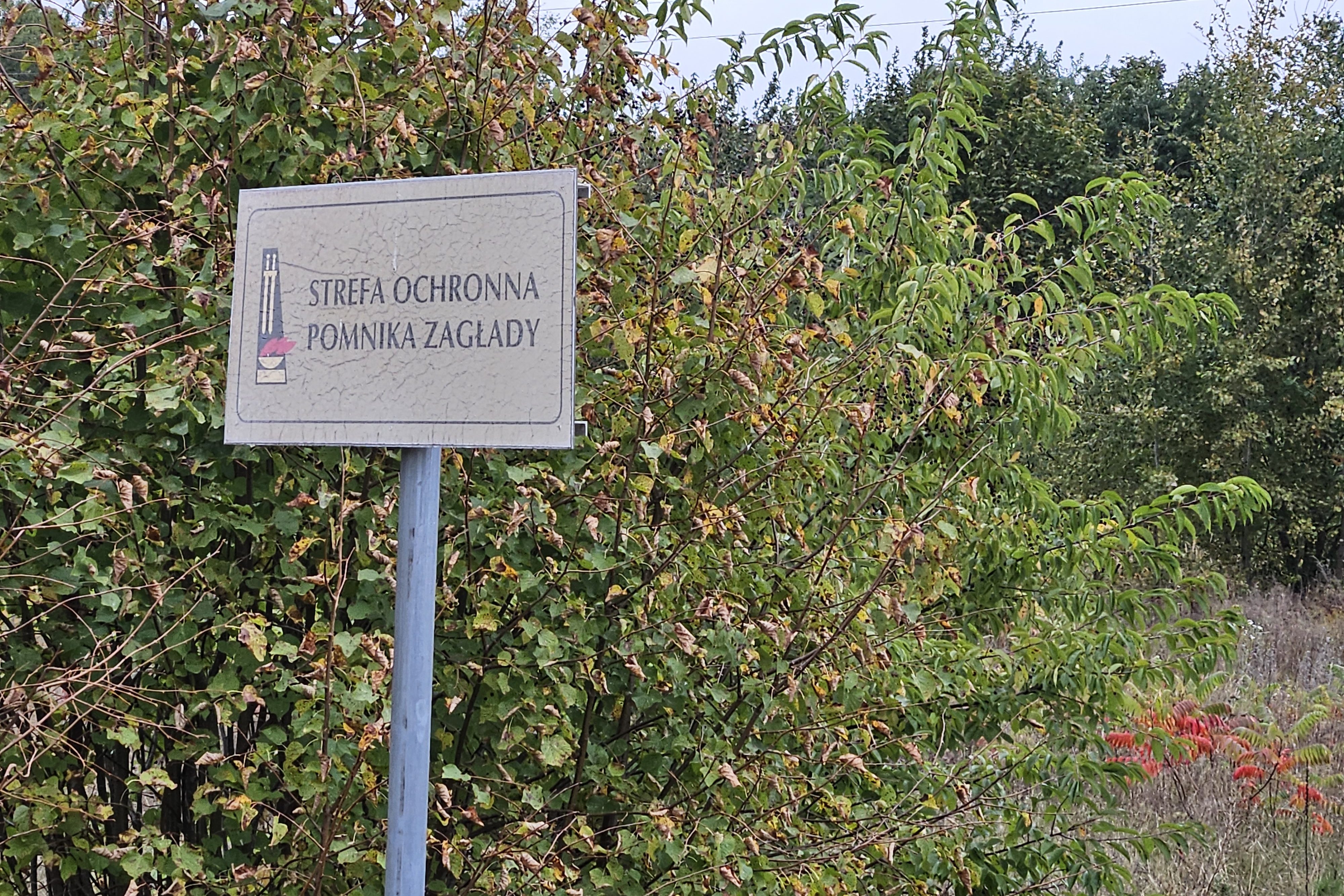
The project by Zofia Hartman concerns the post-war history of the memorial site Sobibór. The German extermination camp in Sobibór was established at the turn of April and May 1942 as the second center of the extermination of Jews after Bełżec, within “Operation Reinhardt”, built in a desolate, forested area. The decision to establish it was probably made at the end of October 1941 in connection with the planned extermination of Jews in the General Government and the deportation of thousands of Jews to the Lublin area. The number of victims of the extermination camp Sobibór is estimated at approximately 180,000. The literature on the Sobibór genocide committed by Nazi Germany during World War II extensively describes and explains the events from a historical, political, and anthropological perspective. On the site of the former extermination camp, there is now a museum, renovated and reopened after two decades thanks to the efforts of representatives of several countries (Poland, Slovakia, Netherlands, Israel, Germany). But what happened from 1943, when after an uprising by the camp’s prisoners, the Nazis decided to close it, until nowadays? Research on the post-war history of Sobibór concerns non-obvious history. What role did politics and changing governments play in commemoration, what was the issue of financing activities undertaken for this purpose, who and why sought to establish a museum, and finally what impact did environmental history have (and still has)? The project involves both archival and field research, as well as conducting interviews with the local population and people who took part in the events related to the post-war existence of the former extermination camp in Sobibór.
Project: Izabela Paszko
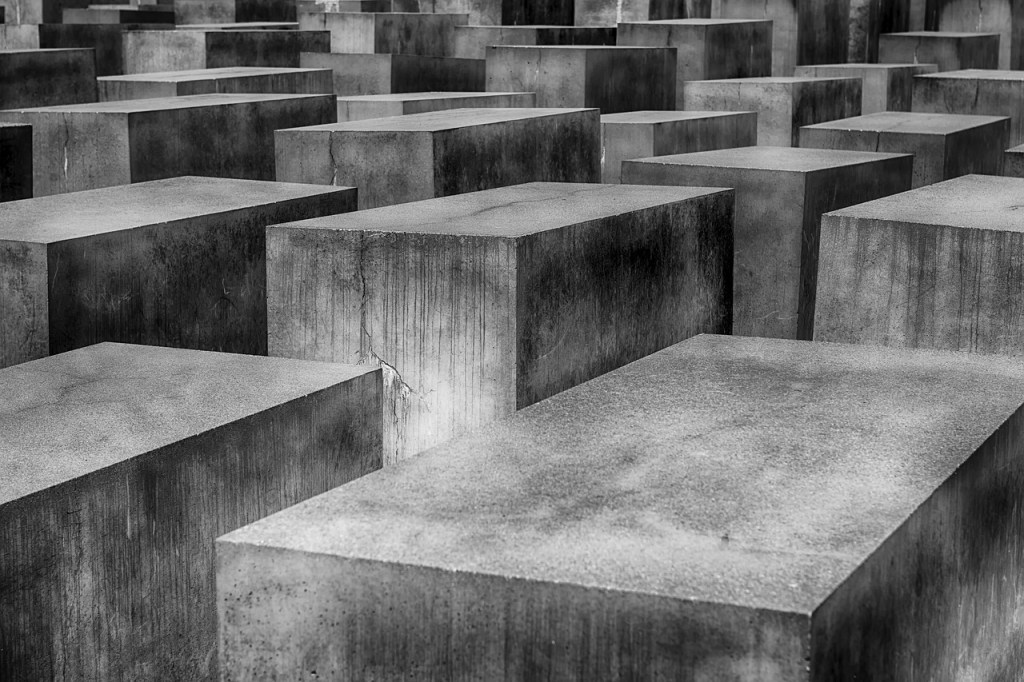
The subproject by Izabela Paszko focuses on non-human factors that affect the processes of creating and maintaining history exhibitions related to the Second World War and the Holocaust. Izabela is particularly interested how climate-awareness, sustainability and technological challenges are reflected in the exhibition-making process and what solutions are implemented in order to facilitate an engaging and informative exhibition that appeals to the transnational audience and ecologically-orientated policies. Within the scope of Izabela’s interests stay also the factors related to external, well-established features, such as tourist infrastructure, building law, memory law and administrative-financial regulations. During her study, Izabela will conduct an on-site research, interviews with people involved in conceptualizing and creating exhibitions. The research will be conducted in selected museums and institution in Germany.
Project: Agnieszka Rejniak-Majewska
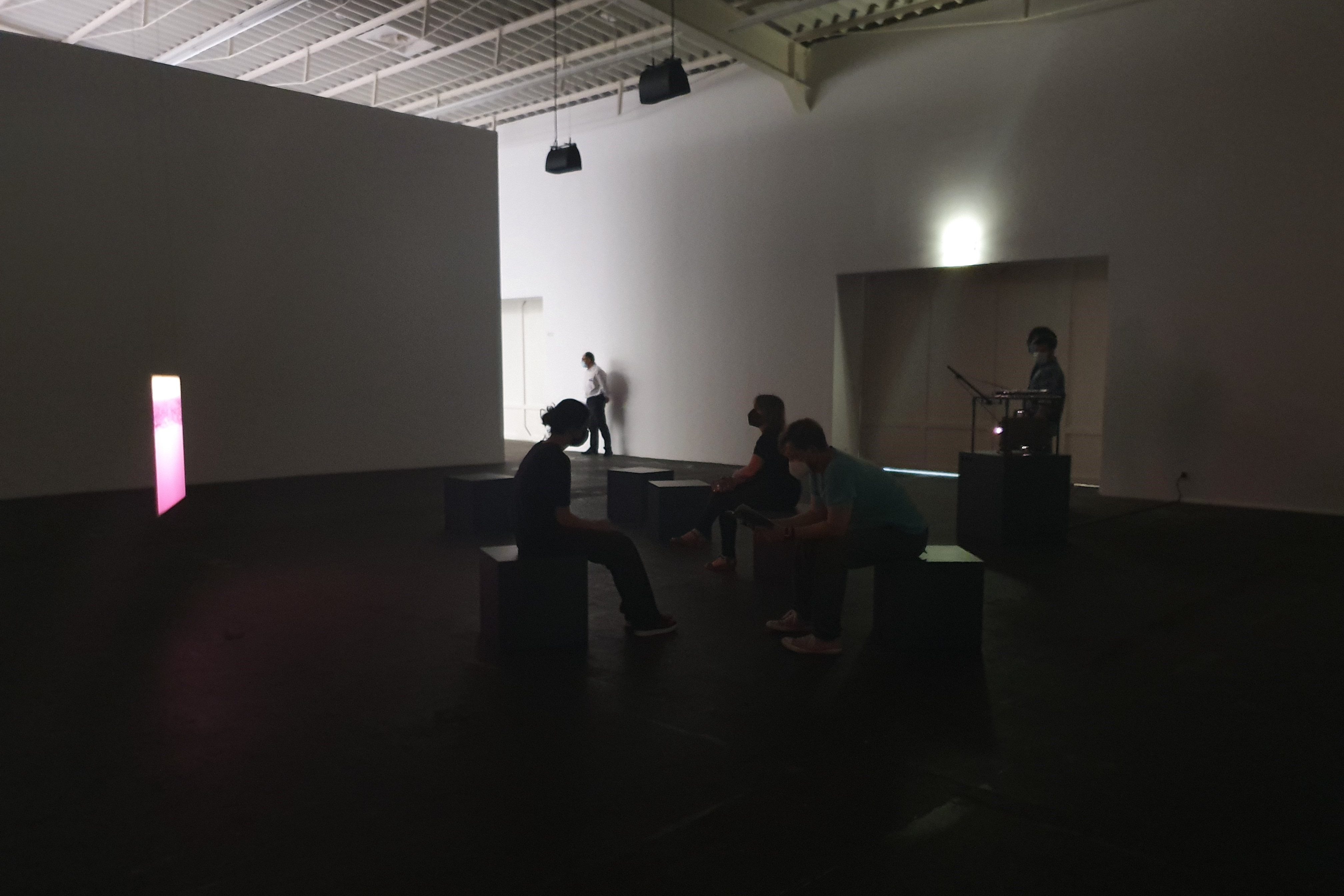
The project by Agnieszka Rejniak-Majewska focuses on artistic contributions and experimental curatorial practices dealing with the memory of the Second World War and the Holocaust. In recent decades not only has the museum experience gotten more prominence as a medium for shaping and negotiating cultural memories, but exhibition formats and institutional approaches evolved by adopting new inter- and transdisciplinary patterns, allowing for productive cooperation of artists, curators, and scholars from various fields. In what ways may these transdisciplinary curatorial practices foster more polyphonic, complex forms of memory and intercultural understanding? What are the infrastructural factors (financial, architectural, technological, related to conservation issues, etc.) that facilitate such exhibitions and determine their final shape? How do artistic projects derived from post-avant-garde tradition find their way to contemporary historical exhibitions that relate to the difficult past? These questions will be discussed by analyzing selected temporary and permanent exhibition projects – their production and reception.
Project: Seda Shekoyan
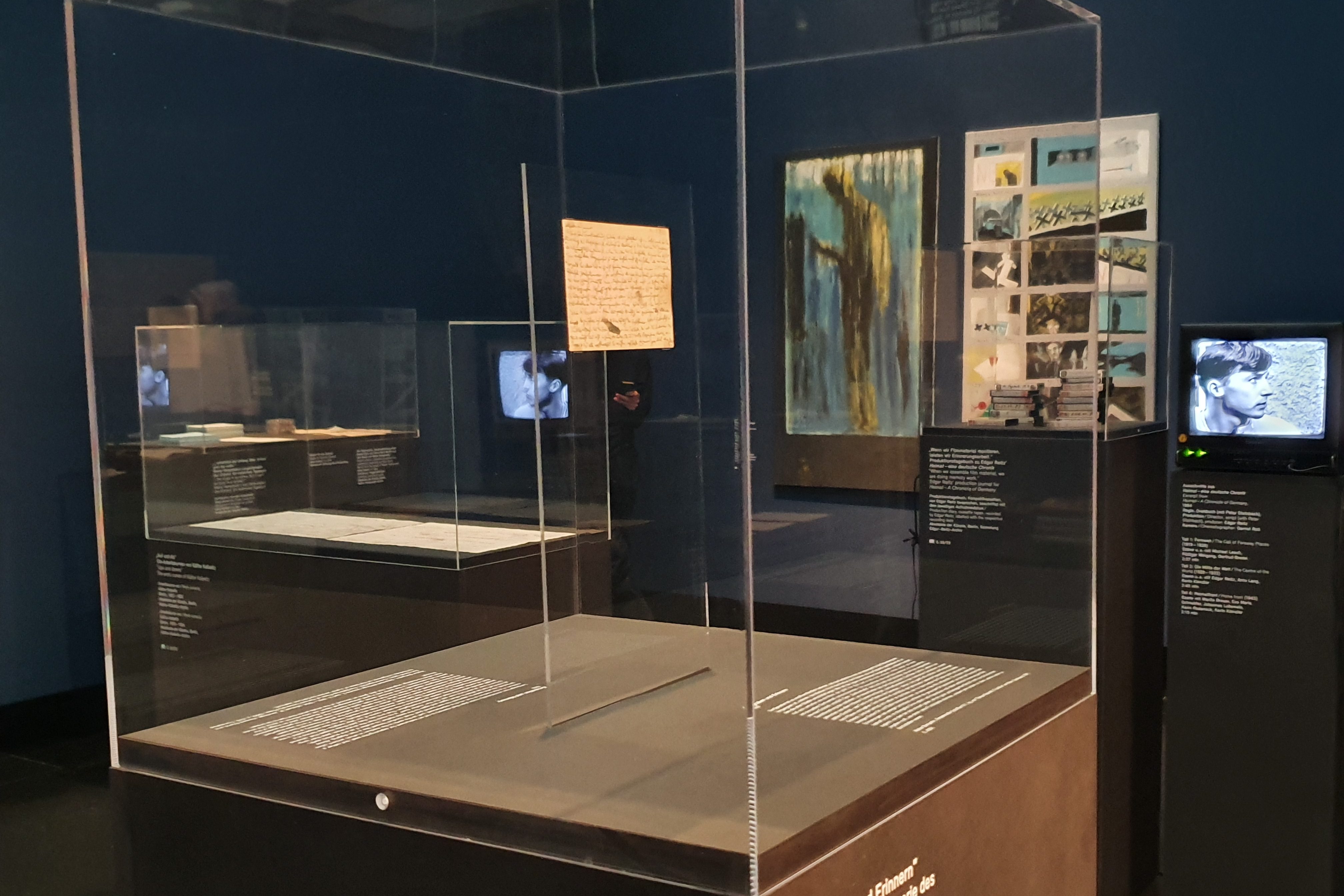
Seda Shekoyan’s research project titled “Circulation of Art Curatorial Practices in Polish and German Exhibitions on World War II and the Holocaust” aims to explore the reception and circulation of art exhibitions as spaces of cultural relations and mediations between Poland and Germany. Seda is going to analyze the production, display, distribution and reception of selected exhibitions organized in the two countries in the last two decades and dedicated to Polish and German histories of World War II and the Holocaust. Her main focus will be on curatorial practices as infrastructural factors that play a major role in constructing narratives of cultural memory. The main research question, therefore, will be the following: In what ways has circulation of curatorial knowledge and practices made an impact on shaping the cultural memory of World War II and the Holocaust in Poland and Germany? Here the concept of circulation includes not only transnational and global movements of curatorial ideas, strategies and approaches, practices of exhibition-making and installation formats, politics of fundraising, etc., but also a network of production, distribution and reception processes.
Project: Juliane Tomann
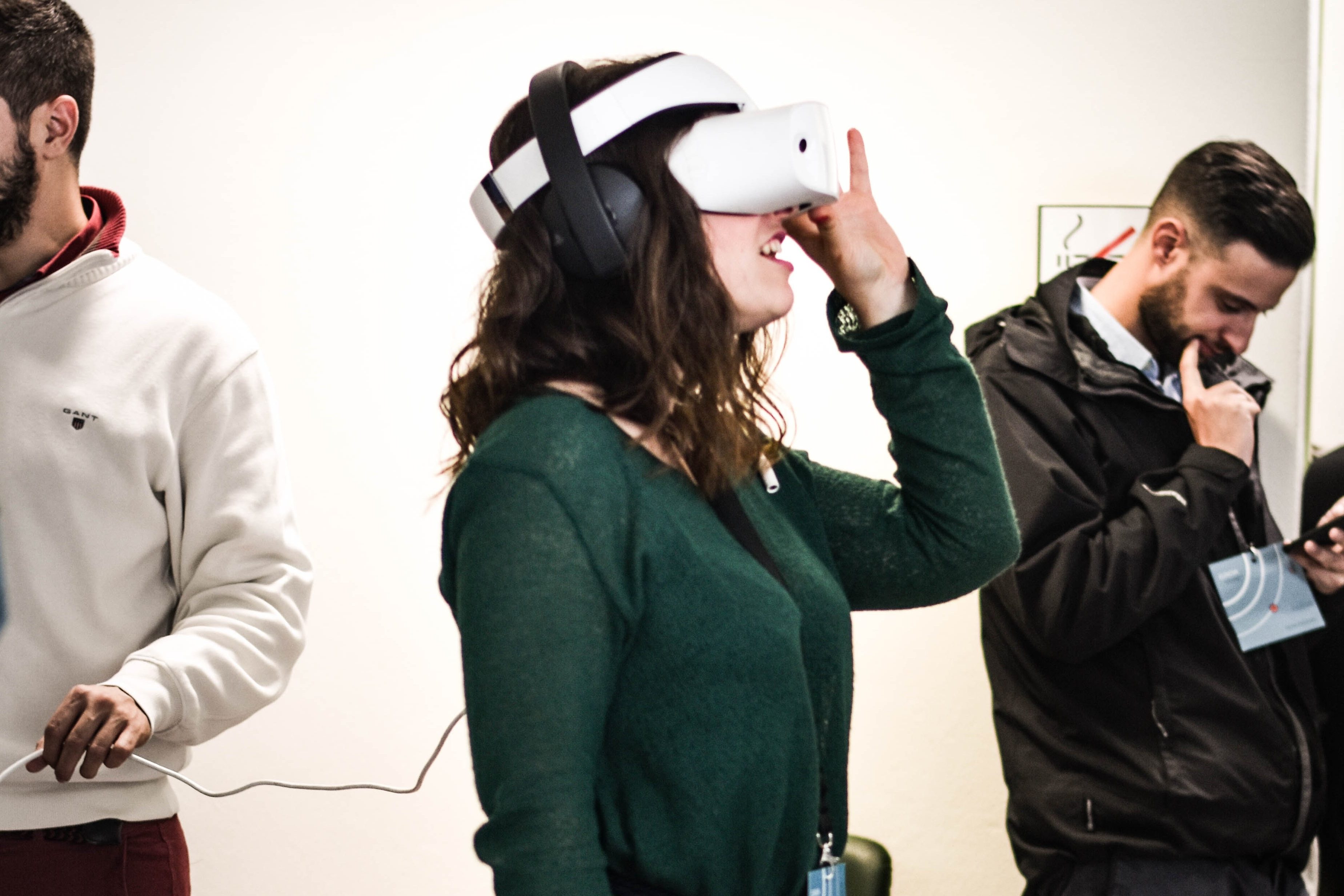
Juliane Tomann’s project focusses on the use of immersive digital technologies in historical exhibitions. They are used in similar ways in different museums and regardless of the cultural context. In the future, they will have a growing influence on the modes of remembrance. What role does the physical and emotional dimension play when visitors experience the reconstructed past within a VR/MR environment? How to create critical, historical distance within the immersive environments? Can this be conveyed at all when it comes to creating an atmospheric feeling of the the past in the present? The analysis will encompass also genre standards (narrative patterns on which VR applications are based) and reception conditions (location of the presentation, environment).
> Home
> About the Project
> Team
> News
> Contact


 Infrastructures of Memory